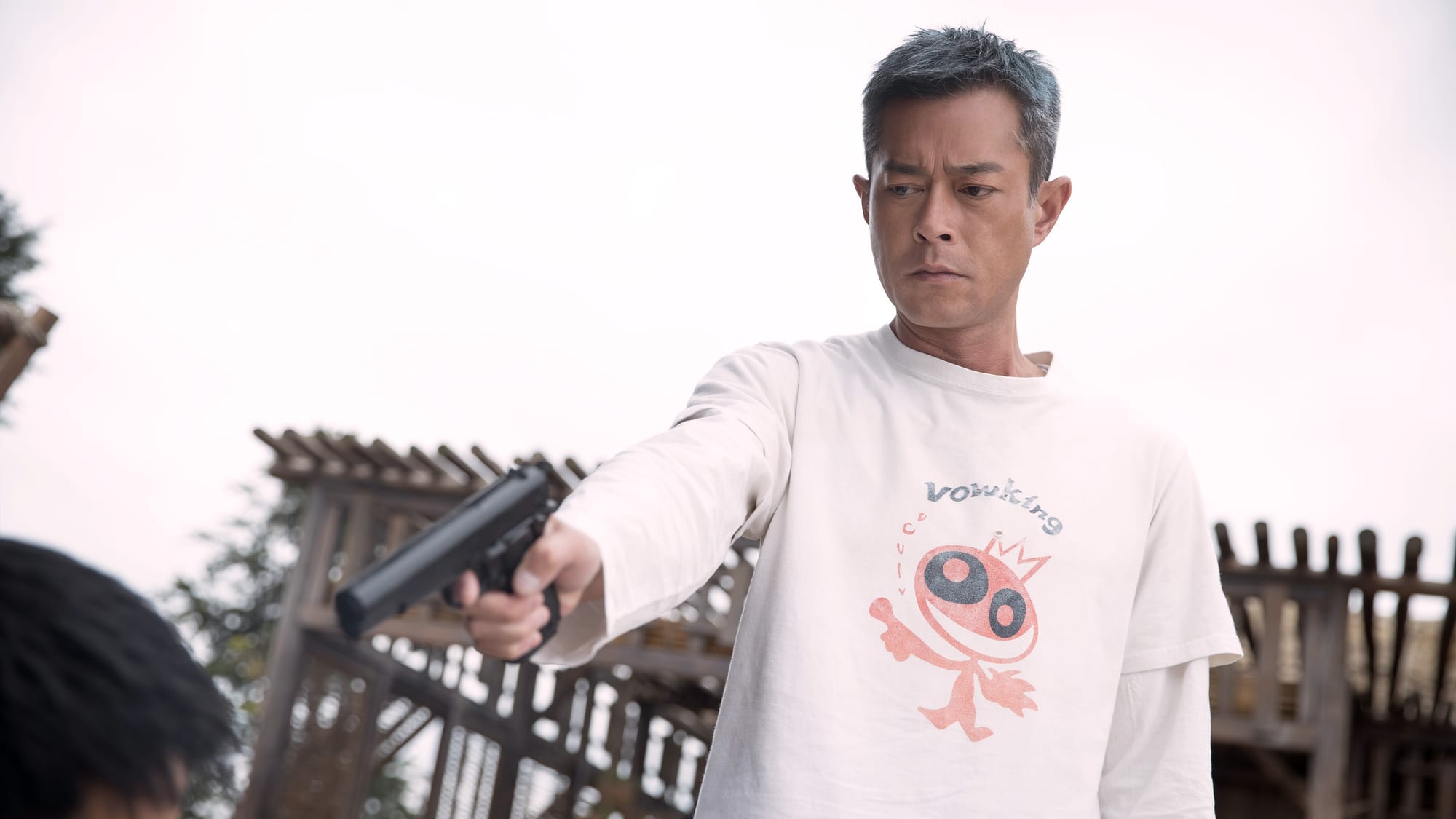
Back to the Past (Jack Lai and Ng Yuen Fai, 2026)
Louis Koo follows up on his breakthrough TV series 20 years later.
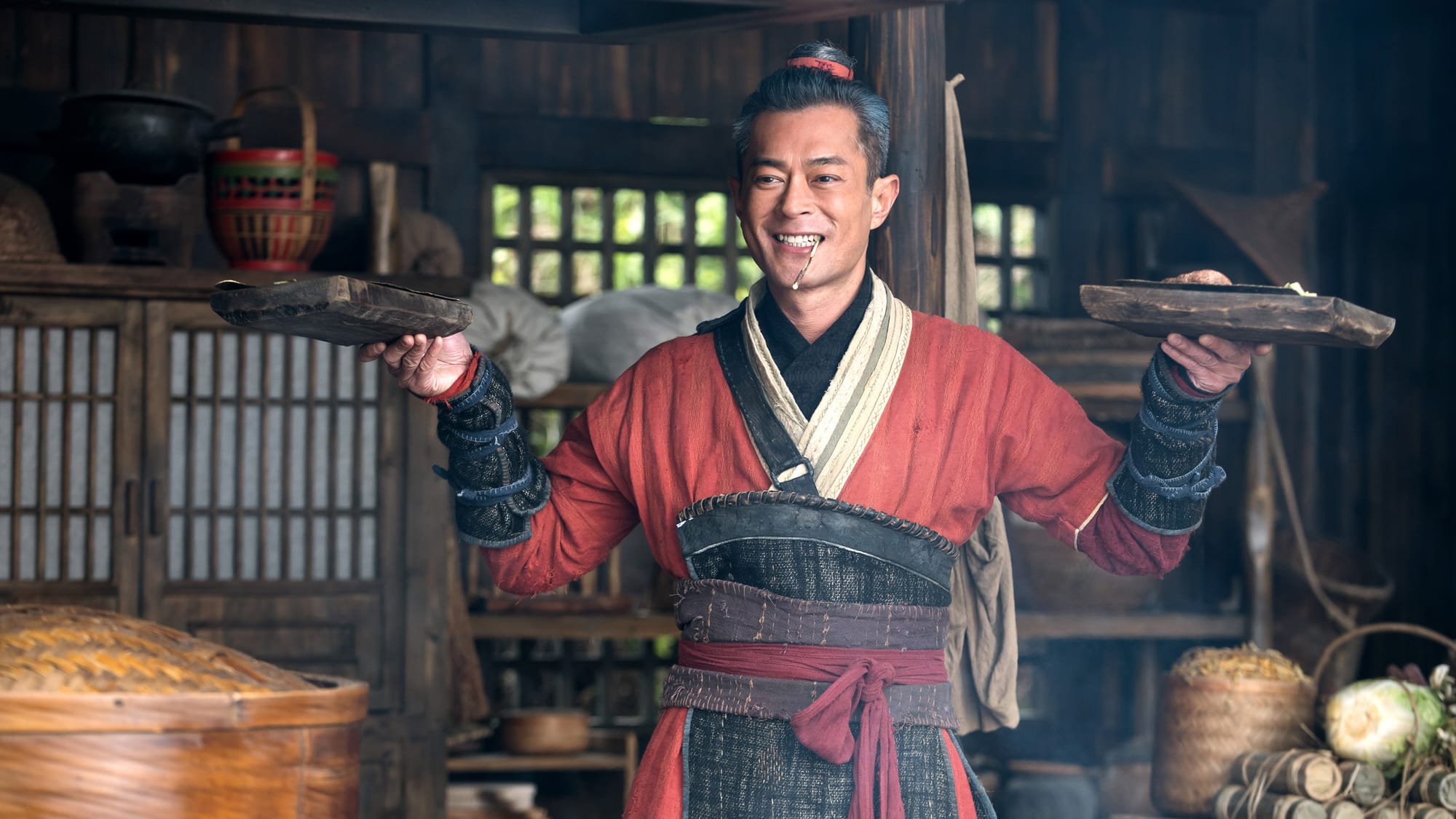
I’ve long maintained that the only good celebrities are Ichiro! and Chow Yun-fat, but I might need to add Louis Koo to the list. When I was compiling my list of the Best Chinese-Language Films of the 21st Century last year, it became clear that Koo was the biggest actor of the past couple of decades, or at least the most important film star to emerge in Hong Kong in the 2000s. Koo has been everywhere: from Johnnie To romcoms like the Don’t Go Breaking My Heart films, Romancing in Thin Air, and Love for All Seasons, to Johnnie To dramas like the Election films, Throw Down, Three, and Drug War, to Milkyway and Milkyway-adjacent films like Soi Cheang’s Accident, SPL II: A Time for Consequences, and Twilight of the Warriors: Walled In, to Herman Yau’s White Storm films and A Home with a View, to pop fare like the Overheard series or Benny Chan’s underrated Meow. In all, Koo has 113 credits on the hkmdb just since 2000, with another twenty in the 90s before he really became a star. With his model good looks, facility with both comedy (physical and verbal) and drama (physical and psychological), and his obsession with pursuing roles where his ostensibly perfect body is broken-down, beaten, and/or torn apart, he is an axiom of 21st century Hong Kong cinema. He’s also a tremendous nerd.
Fifteen years ago Koo started his own special effects and production company and set about trying to pioneer Hong Kong sci-fi, or at least raise the level of the former colony’s digital cinema. He also owns a movie theatre in Hong Kong, the Louis Koo Cinema. Thus far, the most complete realization of Koo’s vision of HK SF has been Warriors of Future, which he starred in and was released in 2022. It’s a mishmash of dozens of other sci-fi classics, a great deal of fun made with love by a man with a lot of money to throw around. It was directed by Ng Yuen-fai, who comes from the world of visual effects (he was the fx director on the wonderful Tai Chi Zero films, for example). Ng is back for Koo’s latest film, Back to the Past, out this week in North America thanks to WellGo, co-directing with Jack Lai, a Milkyway veteran and longtime Koo ally (credits include Don’t Go Breaking My Heart 2, Accident, Exiled, Blind Detective, Sparrow, The Monkey King 2, and many more) who made his directorial debut with Possession Street, one of the best Hong Kong films I saw last year.
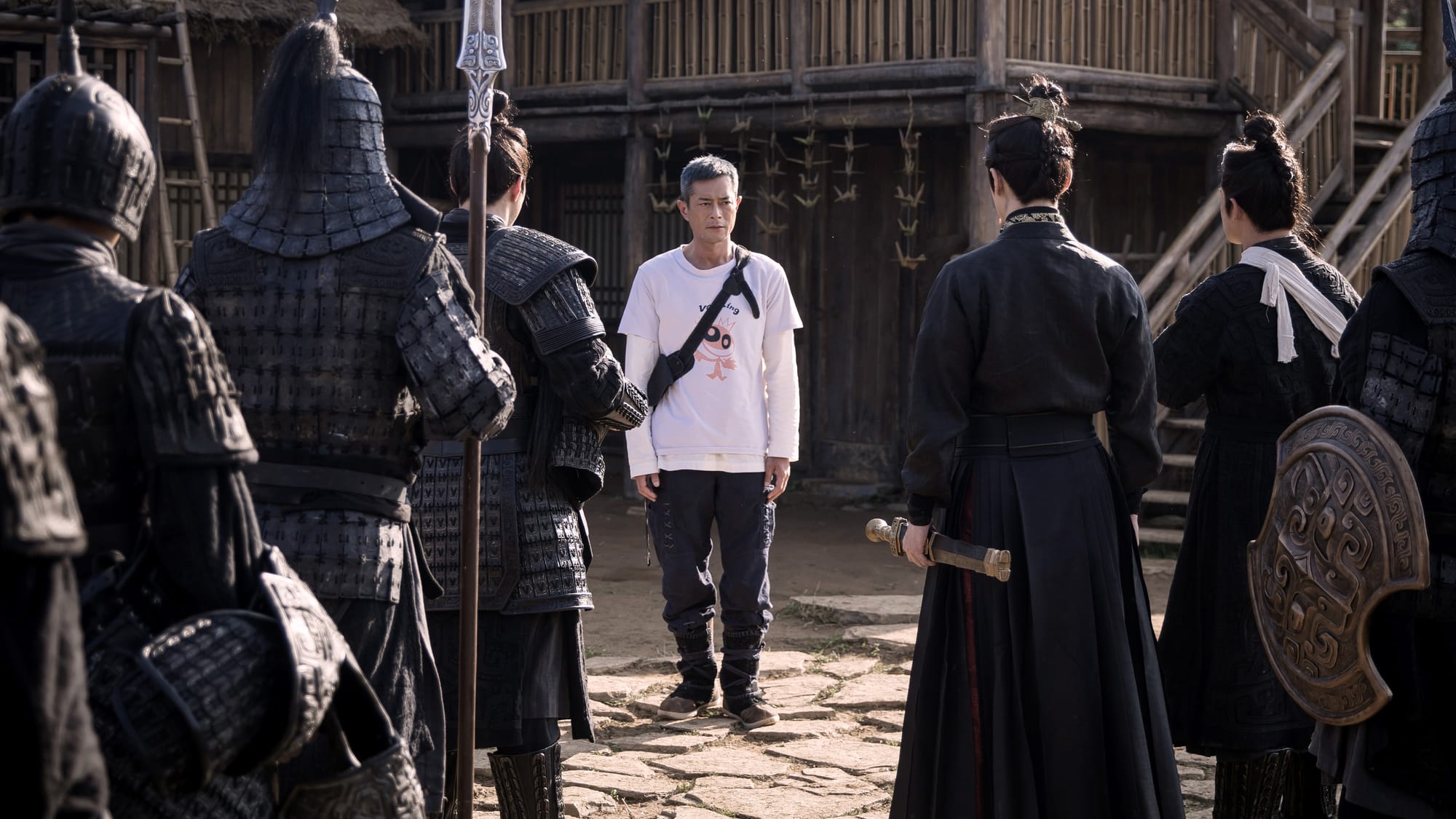
Back to the Past is a sequel to the 2001 television series A Step Into the Past, the TVB series that made Koo into a major star after a decade spent on TV and in smaller film roles. It’s a movie that is simply drenched with Koo’s nostalgia and thankfulness for that time in his life, making the series and for the fans who loved it. I have not, of course, seen the TV show: Hong Kong television remains one of the great undiscovered countries for exclusively anglophone fans of the territory’s cinema. Since the early 70s and the decline of the Shaw Brothers and Cathay studio systems, TV has been a factory for Hong Kong’s greatest actors and directors, launching everyone from Michael Hui to the directors of the Hong New Wave to Chow Yun-fat to Johnnie To to Louis Koo. But it remains very hard to find here in the West (in general, turns out A Step to the Past is now streaming on Tubi), and even when it does become available, the sheer length of the programs is daunting (see, for example, the excitement around the Criterion Channel’s release of Wong Kar-wai’s Blossoms Shanghai, followed by the fact that almost no one (that I know at least) has actually managed to watch all 30 hours of the show—I hope to watch it this year though!). A Step to the Past is comprised of forty 45 minute episodes, which aired on TVB from mid-October to early December 2001.
In the series, Louis Koo plays some kind of special agent who is sent via a time machine into the Warring States period, where he becomes an advisor to the young man who will eventually become the first Qin Emperor. Koo gets trapped in the past, and spends the next 20 years there with his wives and son, who might grow up to be one of the warlords who overthrew the Qin and led to the Han Dynasty, which would last more or less intact for 500 years, roughly contemporaneous with the Roman Republic and Western Empire. The show, as I understand it from summaries and from the clips included in Back to the Past, is a blend of comedy and drama, with Koo’s Hongkonger adapting to the ancient world reasonably well, romancing several beautiful ladies, and trying, unsuccessfully in the end, to convince the future Emperor not to be a psychotic lunatic (spoiler alert for ancient Chinese history). It ends with Koo and his family wandering off into exile while the future Emperor begins his quest to conquer the other six Warring States and unify China.
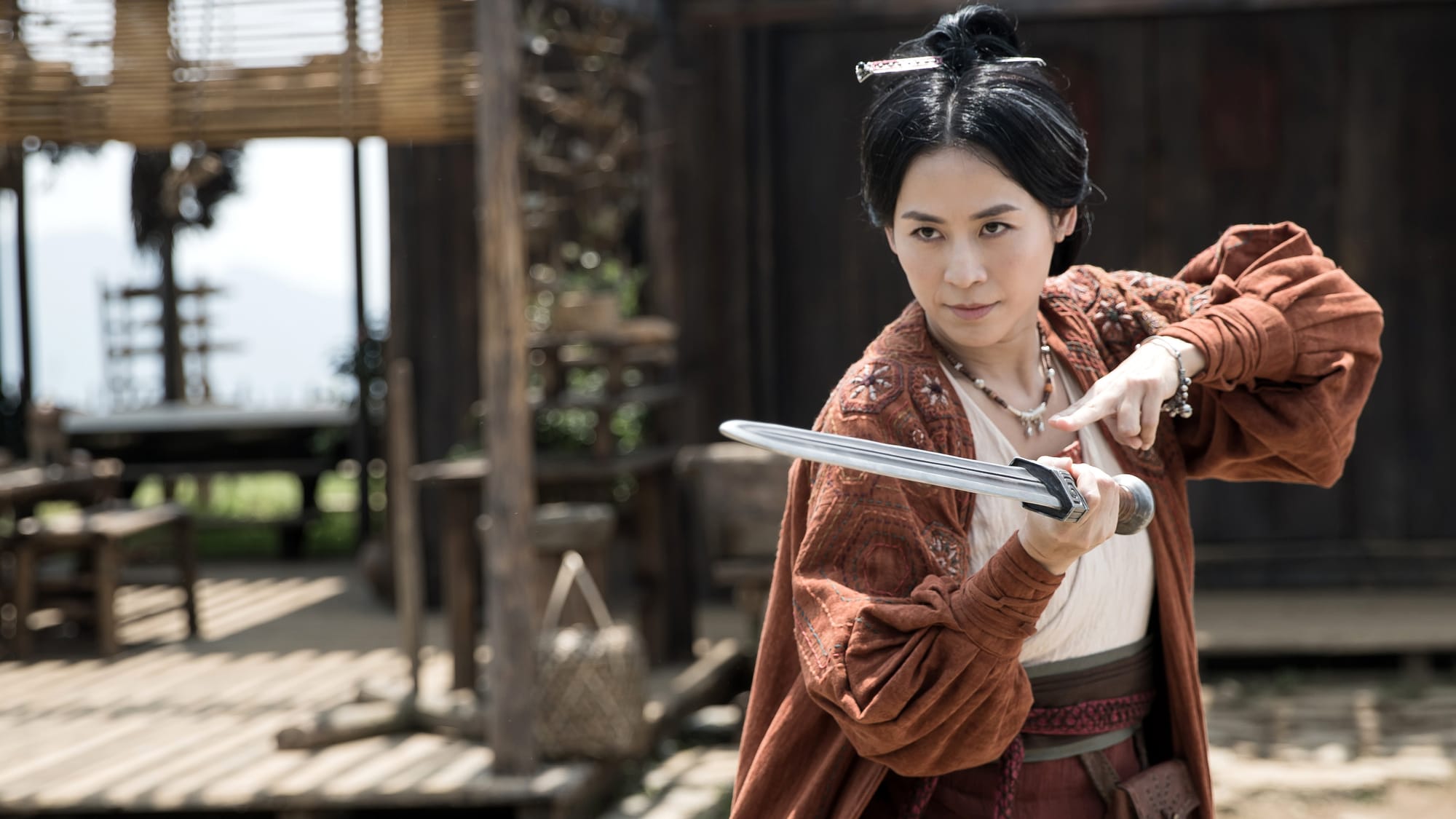
Back to the Past picks up the story 20 years later. The man who invented the time machine in the first place invades the research lab along with his daughter (Bai Baihe, who never really became the star she should have been after Go Away Mr. Tumor) and a bunch of mercenaries and travel back to the Warring State period just as the Emperor has finished his conquests. Their plan is to kill the Emperor and replace him, using advanced hologram technology to make the scientist look like him. Fleeing their attack fueled by machine guns, landmines, and motorcycles, the Emperor and his entourage join up with Koo and his crew. The movie is thus basically a series of fights between the modern invaders and the old school Chinese, led by Koo, a man of both worlds. The action is a lot of fun, depending on your need for photo-realism in special effects. If you have a taste for the chintziness of Chinese fx, you can sit back an enjoy Sammo Hung choreographing dudes fighting with swords on hoverboards. If not, well, we do get a lot of Sammo's son Timmy shooting guns.
More interesting that the nuts and bolts of computer graphics, at least to me, is what the film says about Hong Kong-Chinese relations. It’s not hard to read the original series as an anxious allegory for the Handover, with the sleekly modern Hongkonger Koo sent to try to both modernize and moderate the embodiment of the Chinese state. It ends in a kind of detente, with Koo and the Emperor going their separate ways, a kind of “One Country Two Systems” compromise. Revisiting the allegory twenty years later, after a decade of PRC crackdowns on the Hong Kong system, it’s become increasingly apparent that the Emperor and the Hongkonger cannot get along, that eventually the one will kill the other. These newly aggressive invaders from the future might be read propagandistically as Hong Kong revolutionaries, bent on overthrowing and replacing the State, or at least as the corrupting influence of HK science and ideals, which might insidiously replace the purity of the Emperor’s vision of One United Nation.
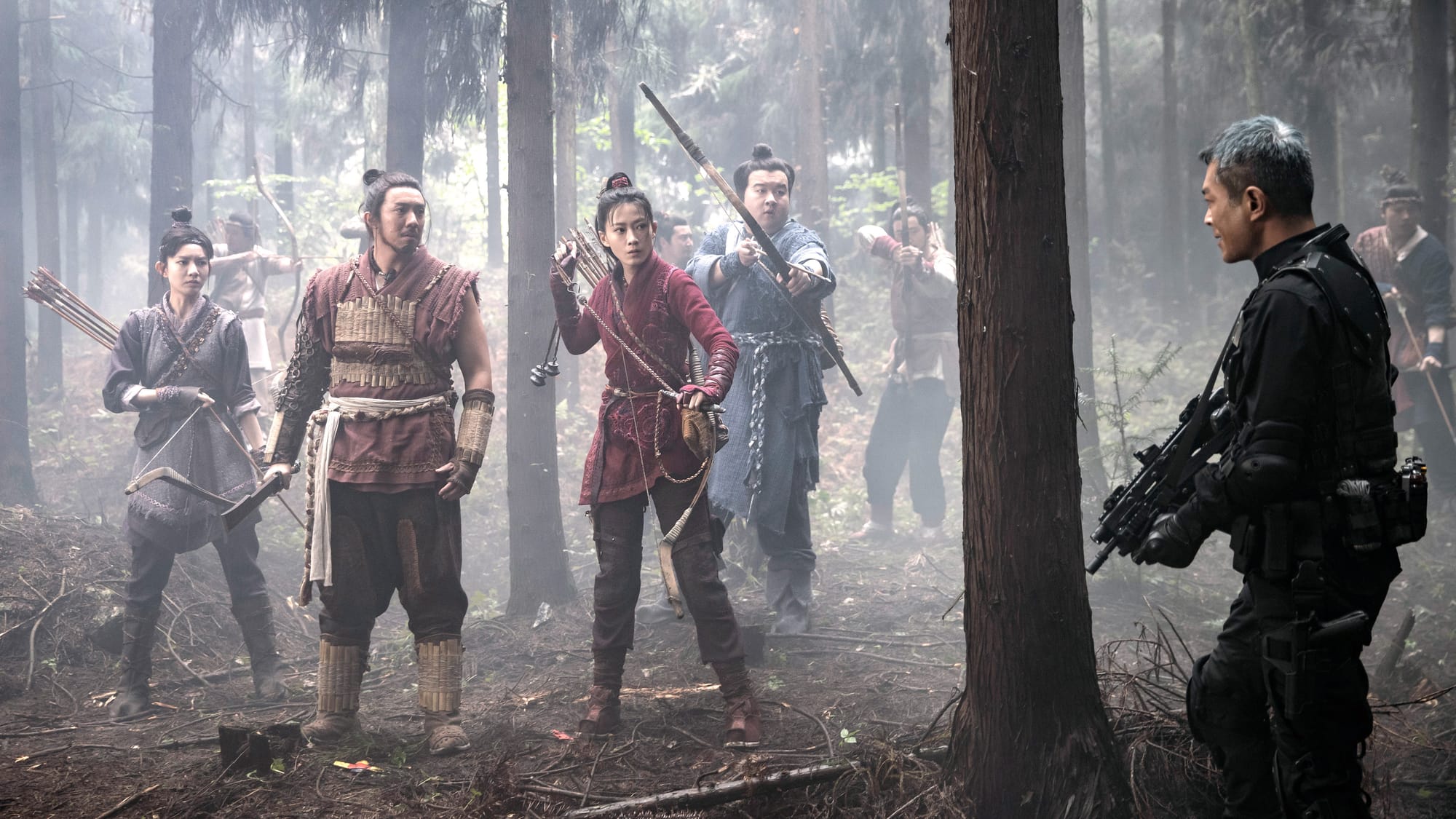
But while the censors (and Back to the Past is a co-production with a couple of Mainland companies) might buy that, it doesn’t quite seem right to me. I think Koo’s vision is a moderate liberal one, standing between the excesses of the State (in the form of the Emperor, who Koo never gives up trying to reform) and the Invaders (whom Koo never condemns either). His approach his wholly personal, trying to reason with both sides and get them to appreciate their common humanity (well, except for a couple of the mercenaries, who are only after loot). This is in keeping with the warm, heartfelt tone of the whole production, which brings back so many of Koo’s costars from the TV show, most of whom continued in television and none of whom became world-famous movie stars. Koo really wants to find the good in the Qin Emperor, knowing that one can’t change time and he is unredeemable, and the mad scientist as well, though he too is responsible for many deaths along the way.
The movie ends in parallel with the show, with the Emperor a little more aware of his lost humanity and Koo a little more disappointed. But then, as the credits roll, he gives us an alternate ending, one in which the characters from the past are brought to the future to experience the wonders of the city, fireworks, and Cantonese food. (The behind the scenes footage of the series that plays over the end credits, along with ending the movie with a feast, really hammers home the Lunar New Year nature of the film). It’s a poignant end, punctuated by Koo ostensibly thanking the scientists who sent him to the past, but really looking straight out at the audience, his fans. But even this glimpse of the wonders of the future does nothing for the Qin Emperor: he’s still obsessed with the Immortality Elixir that will ultimately drive him mad and into death by mercury poisoning (more spoilers for ancient Chinese history). In the end, they’ll still go their separate ways: despite Koo’s moderate liberal belief that compromise between these two sides should be possible, he knows that separation and exile, betrayal and madness and death are what lie in the future.